
Shift Summit 2025 Recap: Why Staying Curious Is the New Creative Superpower
AI isn’t a trend anymore—it’s becoming the backbone of how creative teams think, work, and deliver. After attending Superside’s SHIFT Summit, featuring speakers from Airbnb, Skyscanner, Microsoft, Figma, and more, I walked away both inspired and grounded.
The summit reinforced something I’ve been sensing for a while: AI isn’t replacing creativity—it’s reshaping it, challenging us to lean into curiosity, iteration, and clarity more than ever before.
⭐ Overall Review: 4.5 / 5 Stars
The SHIFT Summit delivered a strong mix of practical insights, real case studies, and honest reflections on the future of creative work. While the audience reaction ranged from enthusiastic to hesitant, I found the conversations refreshingly real.
My biggest takeaway?
Taste, empathy, intuition, and humor remain uniquely human—yet AI can amplify what we create when we pair those human qualities with powerful tools.
Creativity doesn’t disappear; it evolves.
TL;DR
I attended the SHIFT Summit and walked away reminded that AI isn’t replacing creativity—it’s reshaping it. The sessions highlighted how teams at Airbnb, Skyscanner, Microsoft, and Figma are using AI to work faster, align better, and experiment more boldly. The core message: start small, stay curious, and treat AI as a tool that amplifies your human skills—taste, empathy, intuition, and storytelling. While reactions were mixed, I left feeling optimistic. AI isn’t here to take creativity away; it’s here to help us elevate it.
Top Takeaways From Each Session
1. Finding Your Grip on AI Adoption
Speakers: Jasmine Price (Airbnb), Nina Caplin (Superside)
The opening session focused on a truth many teams know but don’t always acknowledge: adopting AI is less about talent and more about alignment, clarity, and time to experiment.
Key Takeaways
• Direction matters. AI’s value increases when you give it a target—speed only helps when priorities are clear (e.g., quantity vs. quality).
• AI is an atmosphere, not just an assistant. It shapes the environment in which teams work.
• Buy-in is more important than skill. Adoption accelerates when teams feel safe testing, iterating, and learning.
• Iteration > one-click magic. Sustainable AI use comes from repeated refinement, not instant solutions.
• Real impact shows in feedback loops. Stronger reactions and higher engagement signal that an idea “landed.”

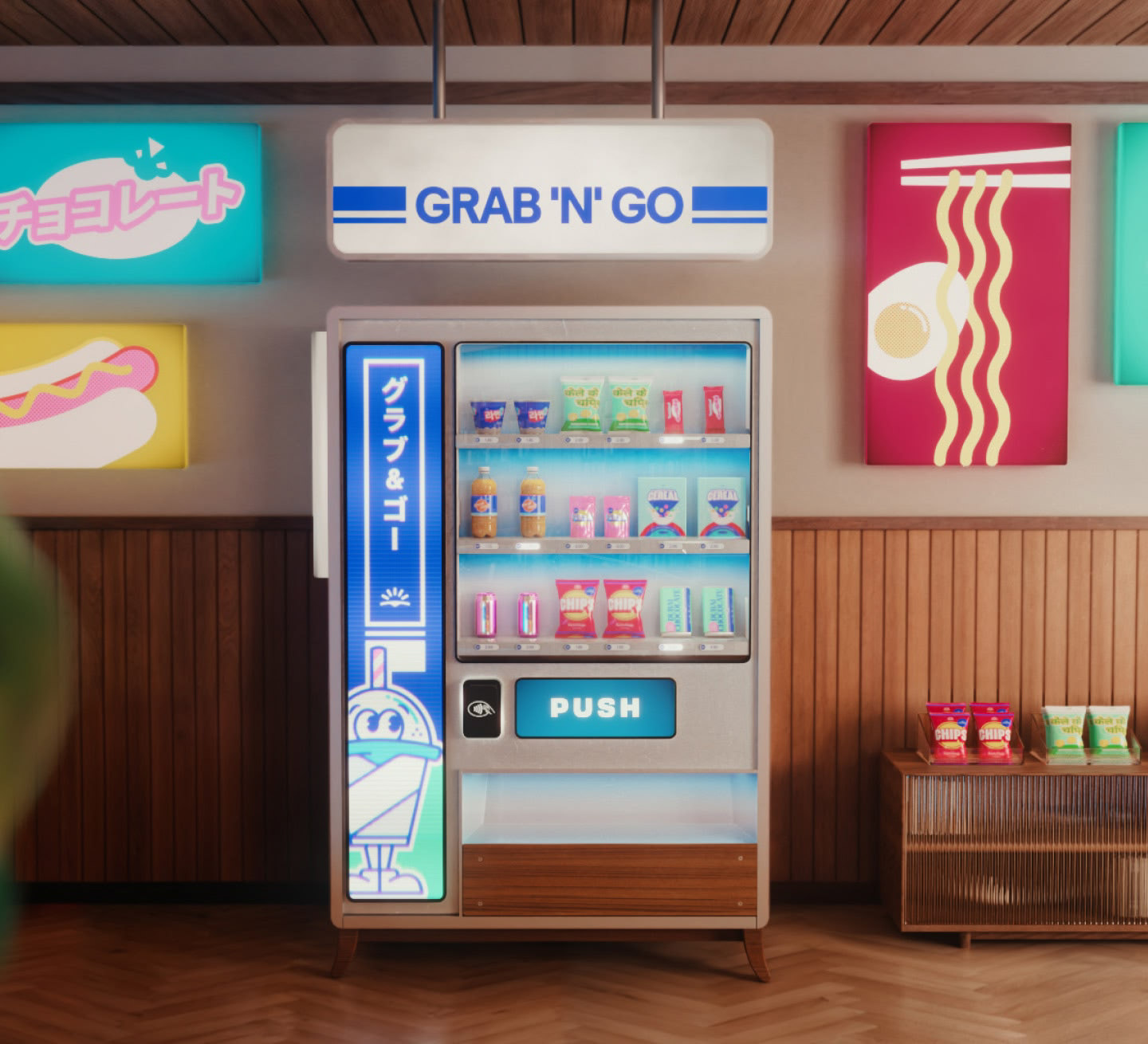


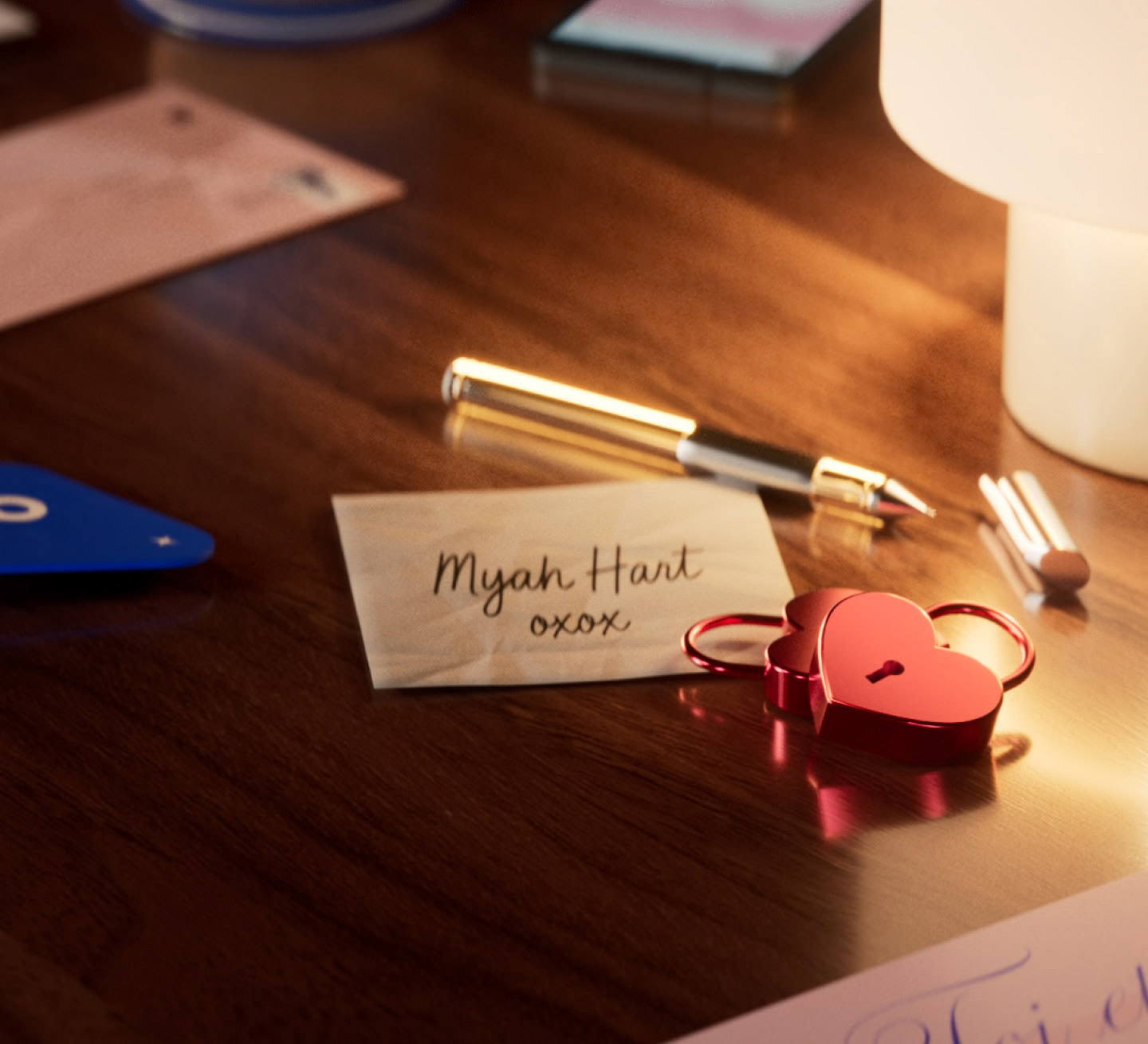

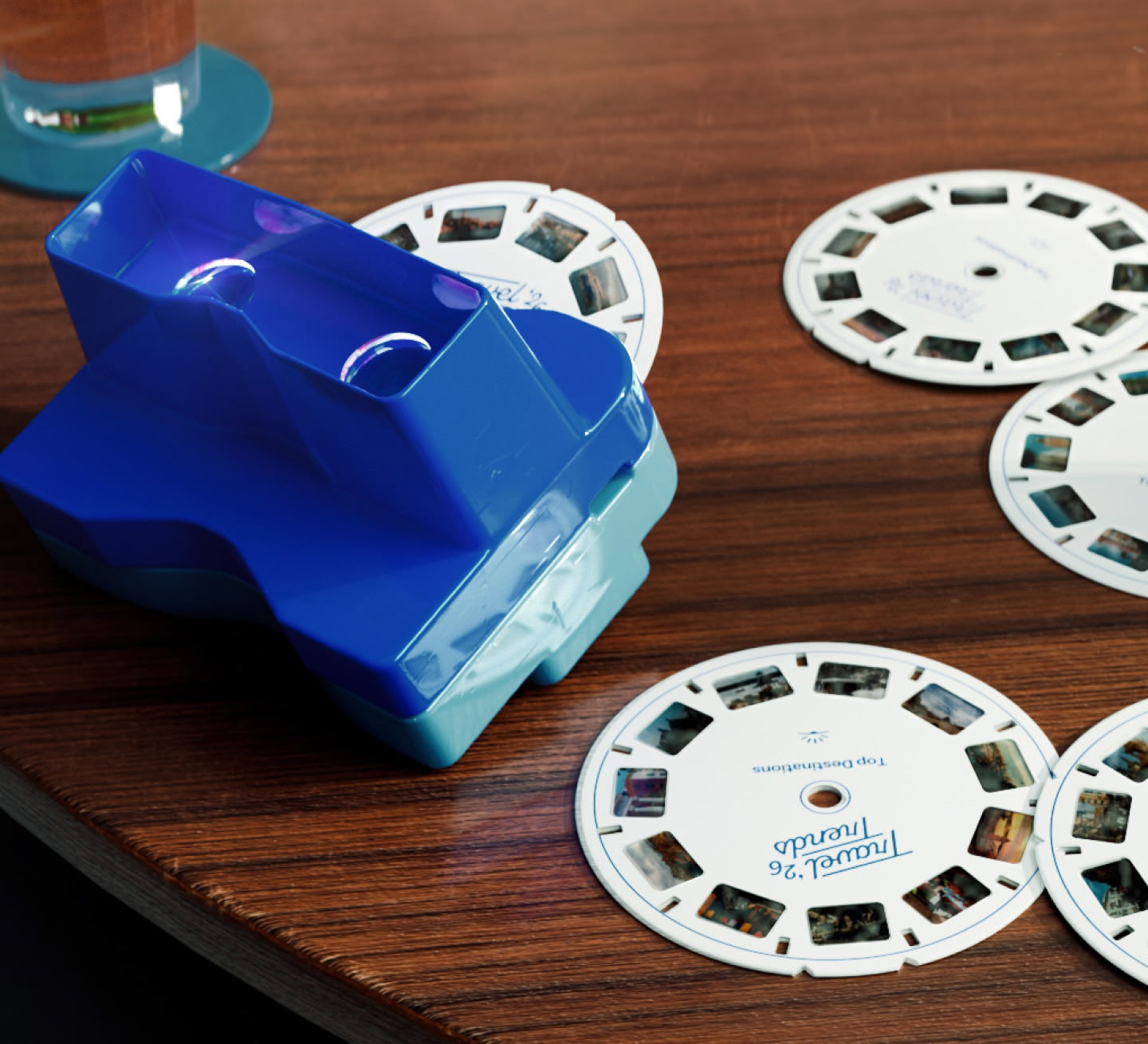
Images from Skyscanner's Travel Trends 2026 Campaign.
2. Show, Don’t Tell: Using AI to Pitch Better Ideas
Speakers: James Bradley (Skyscanner), Paige Hudson (Superside)
This session showcased how Skyscanner successfully used AI to shape, pitch, and ship their Travel Trends 2026 campaign. It was storytelling, strategy, and AI working in harmony.
Key Takeaways
• AI accelerates concepting at scale. From moodboards to polished mocks, teams can visualize ideas faster than ever.
• Pair AI with human detail. Skyscanner used AI-generated cozy scenes, then enhanced them with real photography or handmade assets.
• Stay focused. Many people try to do too much with AI. Narrow the scope—you’ll learn more, faster.
• Let AI fuel play. Creativity expands when you treat AI as a sandbox, not a shortcut.
• Optimize tone and brand personality. Skyscanner used ChatGPT to refine slide copy to match their “Travel Geeky” tone.
• Curate prompt inspiration. Save IG posts, artists, or creative references that you can later repurpose into prompts.

3. Tips to Transform Your Campaigns
Speakers: Phillip Maggs, Júlio Aymoré, Lucía Quiroga (Superside)
A live demo showed how AI tools like Figma plugins, Weavy.ai, and ChatGPT can work together to build a campaign—from insight to execution—in minutes instead of days.
Key Takeaways
• AI tools can now talk to each other. This creates smoother workflows and dramatically faster turnaround.
• Multi-tool integration is the future. AI becomes most powerful when systems are connected, not isolated.
• Execution speed no longer means sacrificing quality.
• The real opportunity lies in workflow optimization, not replacing creative thinking.

4. How to Learn When Everything Is Urgent 🚨
Speakers: Leaders from Microsoft, Figma, Apollo, and Superside
The final session tackled the mindset behind AI adoption. Less about tools—more about people, curiosity, and culture.
Key Takeaways
• We’re past experimentation. AI is becoming the building block for daily workflows.
• Automate the boring stuff. Start with repetitive tasks before tackling more complex processes.
• Clear expectations matter. Teams need guidance about when and how AI should be used.
• Curiosity is the new competitive edge. You can’t fake it—and you can’t move forward without it.
• Blend physical with digital. If AI can’t nail it, sketch it, photograph it, or create something real and feed it back into the model.
• Everyone becomes a creative director. Because prompting requires articulation, clarity, and taste.
• Guardrails protect quality. When everyone can create, standards matter.
• Don’t chase perfection. Start, learn, iterate.
• Protect creative inspiration. “Touch grass”—the offline world fuels better creative decisions.
• Kindness and openness are essential. Don’t dismiss others who are learning creativity through AI; they’re still learning.
My Personal Reflection
I walked away from SHIFT Summit feeling genuinely energized. AI isn’t replacing designers—it’s expanding what’s possible. The heart of good design still comes from us: our judgment, our empathy, our voice, our humor, and our intuition.
But this new era rewards the creative who’s willing to:
• Experiment without ego
• Stay curious
• Iterate relentlessly
• Adopt new tools early
• Lead with clarity, not fear
Some attendees felt uneasy about AI’s growing presence, and that’s understandable. But for me, resisting AI feels like resisting the internet in the ’90s. It’s here. It’s accelerating. And the designers who learn to partner with it will ultimately elevate their craft—not diminish it.
I hope the future of creative work looks like humans and AI moving in tandem, each amplifying the strengths of the other. Not one replacing the other, but both creating something better than either could alone.
Stay curious. Stay creative. Be kind.